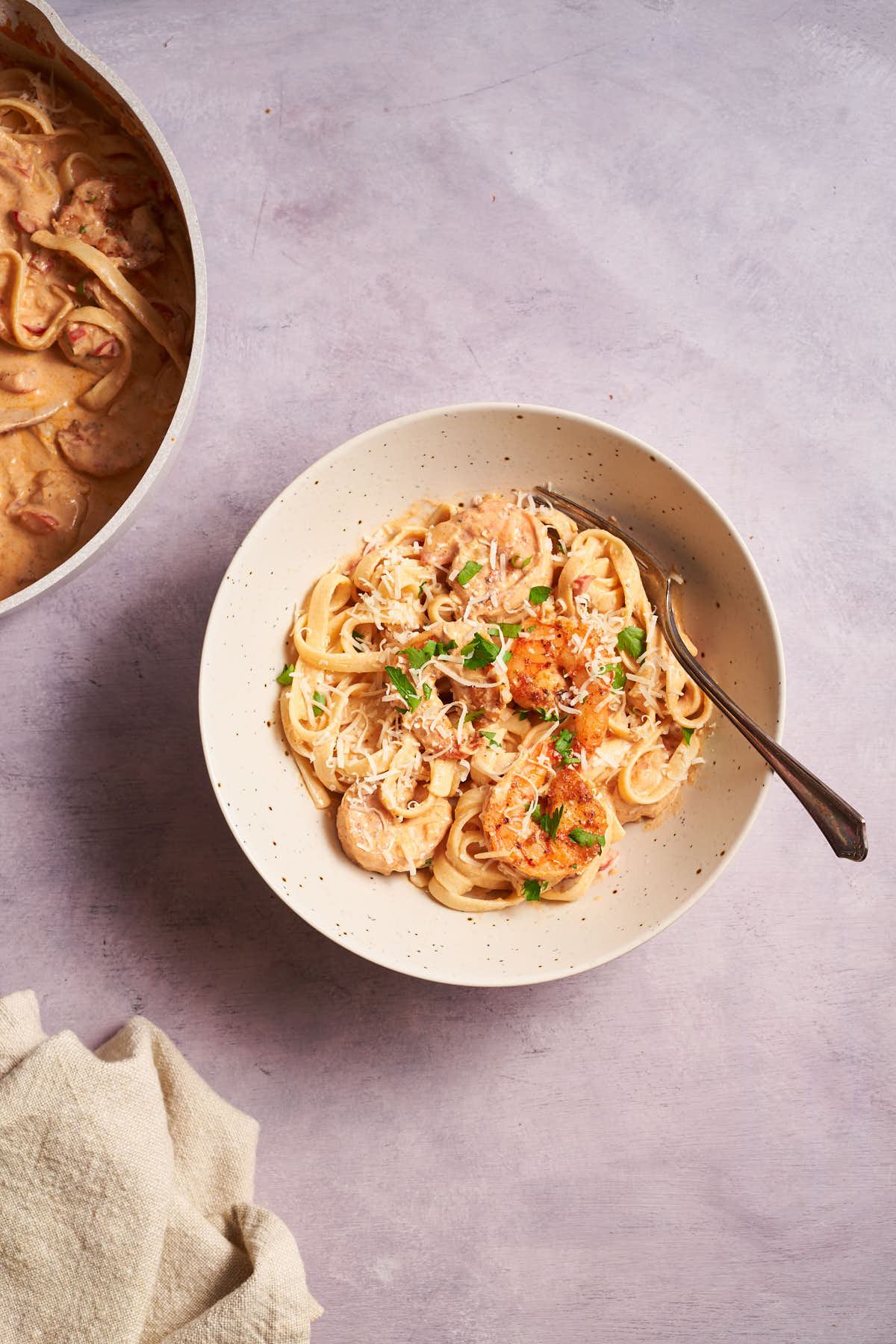
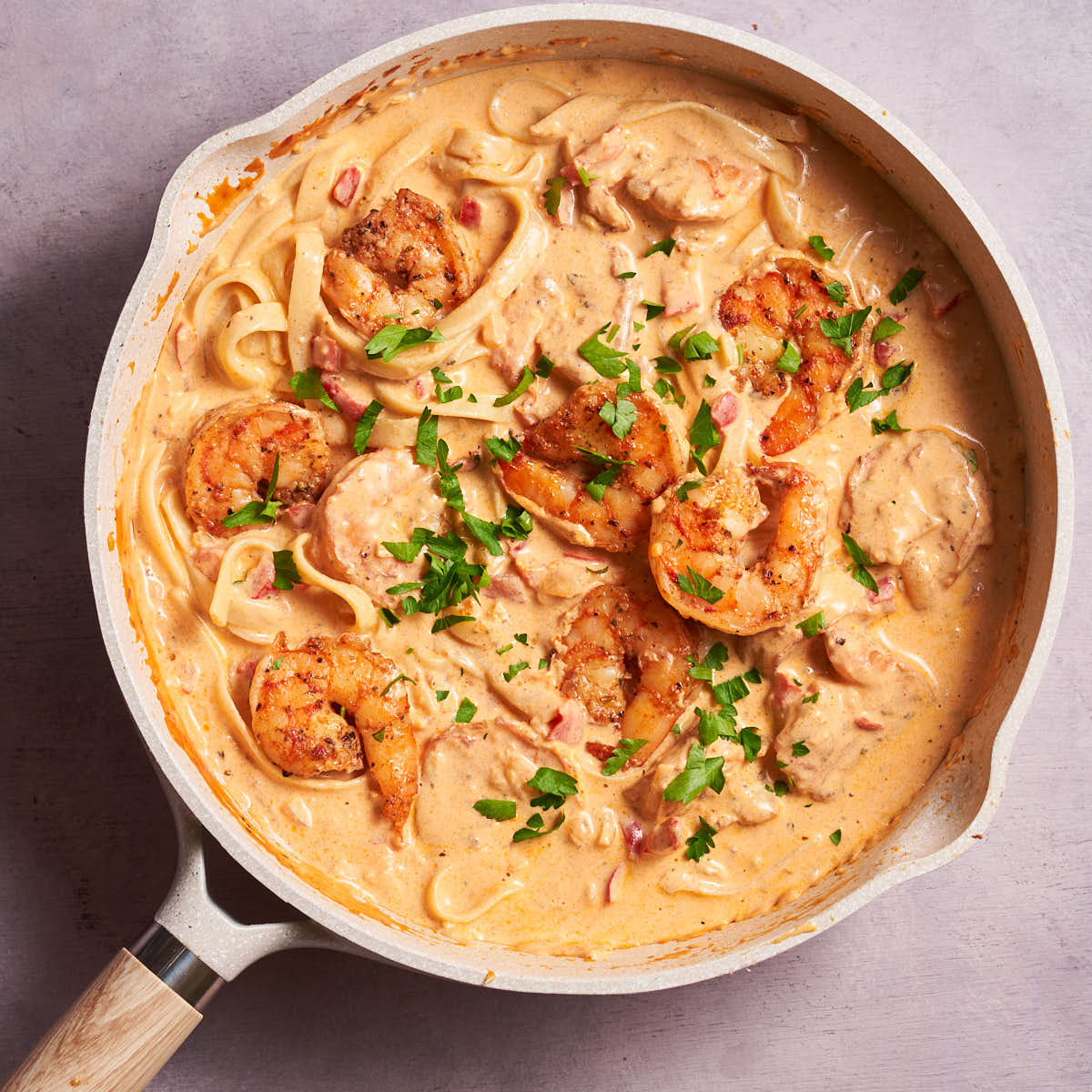
Cajun shrimp pasta is a good one to make when you're tired of having the same pasta for dinner. Sometimes you just want something different, and a creamy sauce with a little Cajun spice sounds like a nice change.
And don't worry if everyone at your table doesn't like spicy food. You can adjust the Cajun seasoning to suit your family. Start with a milder blend if that's what they enjoy. You can always add a little more heat to your own plate.
I usually get the pasta going first, then cook the shrimp and make the sauce while the pasta is boiling. That way, everything is ready around the same time, and you can get dinner on the table without spending the whole evening in the kitchen.
Why You'll Love This Recipe
- Something different for pasta night. The combination of Cajun seasoning, garlic, and creamy tomato sauce gives you a nice change from your usual pasta dinner.
- Easy to adjust for your family. You can choose a mild Cajun seasoning or add more spice to your own plate, depending on what everyone likes.
- Dinner in about 30 minutes. Get the pasta cooking while you make the shrimp and sauce, and everything comes together around the same time.
- A complete meal in one bowl. With shrimp, pasta, bell peppers, and onions, you don't have to make a separate side unless you want one.
- Make it your own. Use your favorite pasta, regular or high-protein, and choose evaporated milk or light cream depending on how rich you want the sauce.
Quick Success Tips
- Dry your shrimp before cooking. A little moisture is fine, but if the shrimp are dripping wet, they'll release more water into the skillet instead of getting that nice sear.
- Keep an eye on the shrimp. They cook quickly, especially if yours are smaller than the ones I used. Check them early so they stay tender instead of turning rubbery.
- Be gentle with the creamy sauce. Once the milk and Parmesan go in, keep the heat low enough that the sauce doesn't boil hard. This helps everything stay smooth and creamy.
- Don't worry if the sauce looks too thick. A little reserved pasta water can help loosen it. Add a splash, toss the pasta, and see how it looks before adding more.
Why This Works
The tomato paste is what really helps bring this creamy Cajun sauce together. I noticed that when it combines with the evaporated milk and warms up, the sauce develops a little more body without needing heavy cream. You still get that creamy texture, with the tomato and Cajun flavors coming through.
I also like cooking the shrimp separately and adding them back at the end. Shrimp cook so quickly, and this way they don't sit in the skillet while you're getting everything else ready. You get tender shrimp and a creamy sauce that coats the pasta without making dinner complicated.
Ingredients for Cajun Shrimp Pasta
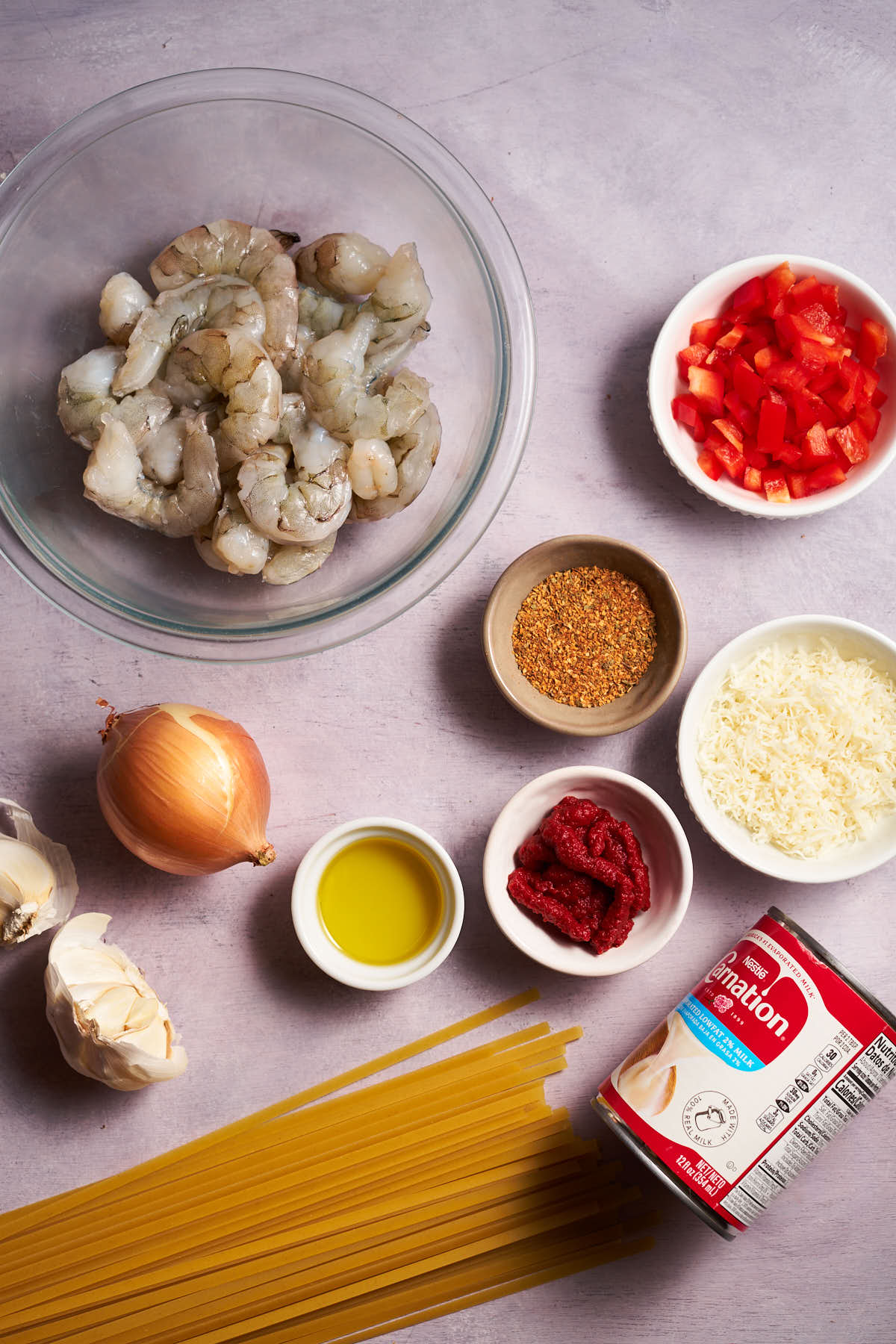
You can find the exact measurements in the recipe card below.
- Pasta: Penne or linguine both work well. I like using Banza or Barilla Protein+ when I want to add a little extra protein to dinner, but regular pasta works just fine too.
- Shrimp: Use raw shrimp, about 16 to 20 count per pound, peeled, deveined, and fully thawed.
- Red bell pepper and yellow onion: Dice them into small pieces. You can use another color of bell pepper if that's what you have.
- Fresh garlic: I like using fresh minced garlic for the flavor it adds to the sauce.
- Cajun seasoning: Use your favorite Cajun seasoning, whether it's salt-free or contains salt. If yours has salt, taste the pasta before adding any extra salt. You can also choose a milder blend if your family doesn't like much heat.
- Tomato paste: This gives the sauce its tomato flavor and helps create that creamy consistency. Use your favorite brand.
- Evaporated milk: I use Carnation 2% evaporated milk for this recipe. You can also use 1½ cups of light cream for a richer version.
- Parmesan cheese: I prefer grating my own Parmesan rather than buying the preshredded kind. It tastes fresher, and finely grated cheese blends into the sauce more easily.
- Olive oil, salt, and pepper: For cooking and seasoning the shrimp and sauce.
How to Make Cajun Shrimp Pasta
1. Get the pasta going
Start with the pasta so you can work on the shrimp and sauce while it's cooking. Use the cooking time on your pasta package as a guide, but taste a piece before draining. You want it tender with a little bite, since it's going to be tossed with the warm sauce later.
And before you drain it, save some pasta water. You'll be glad you have it nearby if the sauce needs loosening at the end.
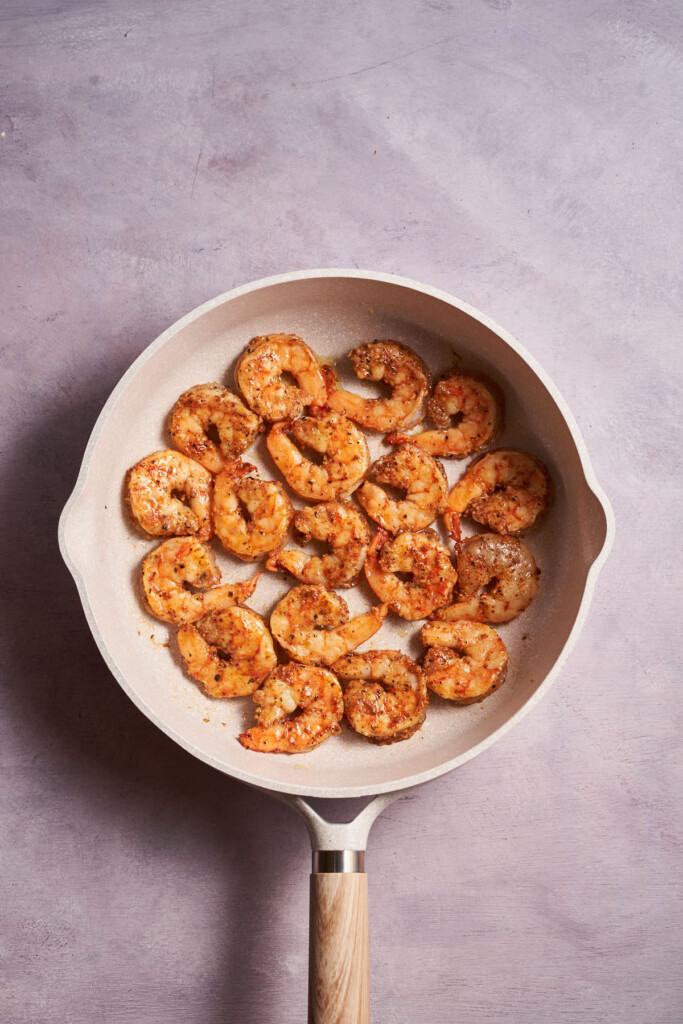
2. Cook the shrimp
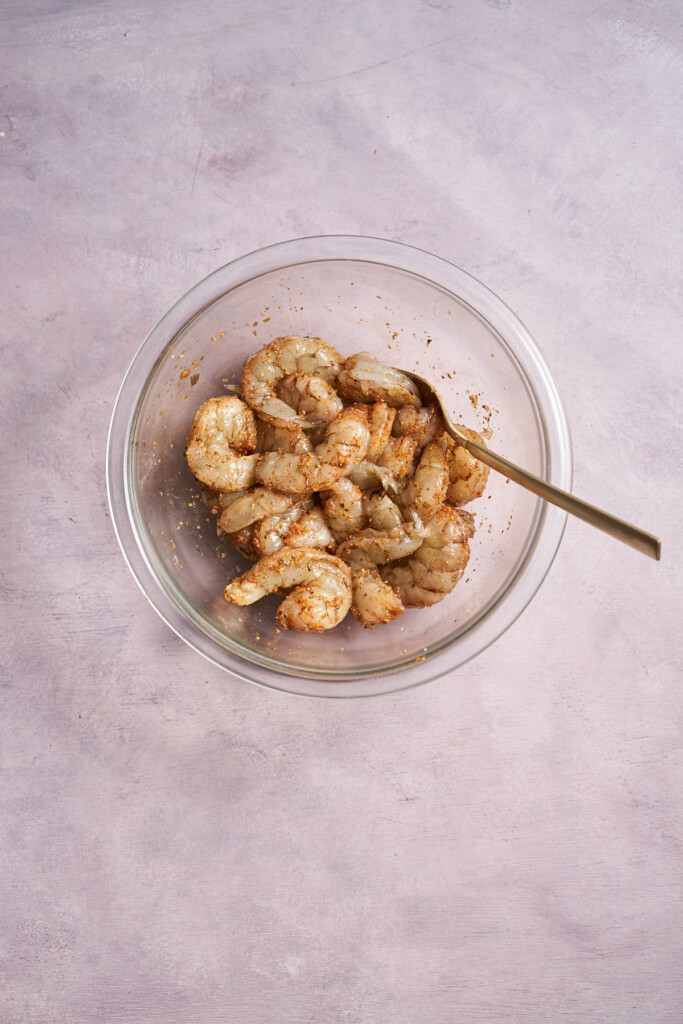
Make sure your shrimp are fully thawed and patted dry before they go into the skillet. Season them with the Cajun seasoning, salt, and pepper as directed in the recipe card.
Once they're cooking, pay attention to how they change. They'll begin turning pink on the outside, and the flesh will become opaque as they cook through. Because shrimp cook quickly, I wouldn't walk away from the skillet at this point.
When they're cooked through, transfer them to a plate. They'll go back into the pasta later, so there's no need to leave them sitting in the hot skillet while you make the sauce.
3. Build the flavor
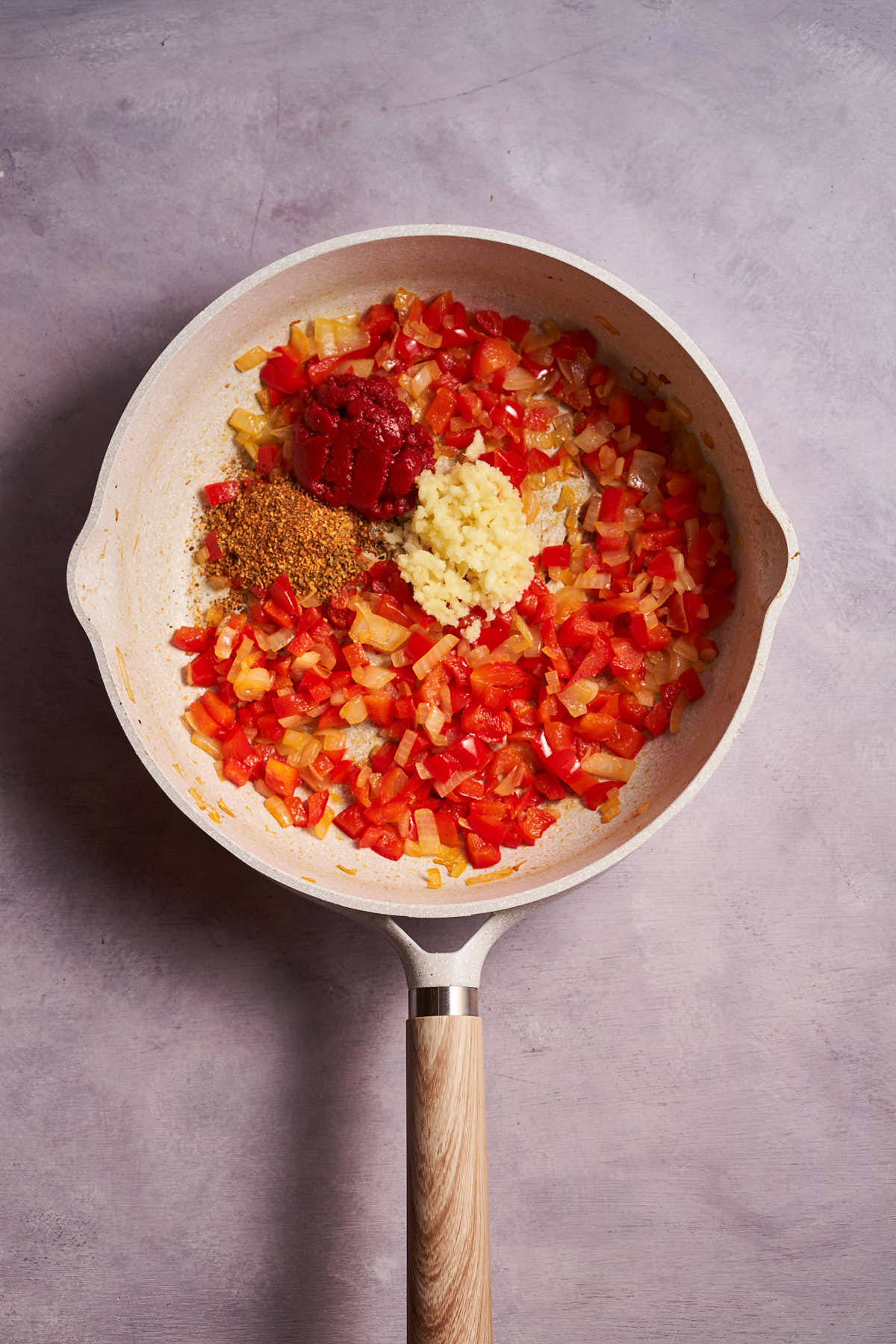
Now you can use the same skillet for the peppers and onions. Give them a few minutes to soften before adding the garlic, tomato paste, and Cajun seasoning.
You'll notice the tomato paste mixing with the vegetables and the seasoning becoming more fragrant. That's what you're looking for before moving on to the creamy sauce.
4. Make the creamy Cajun sauce
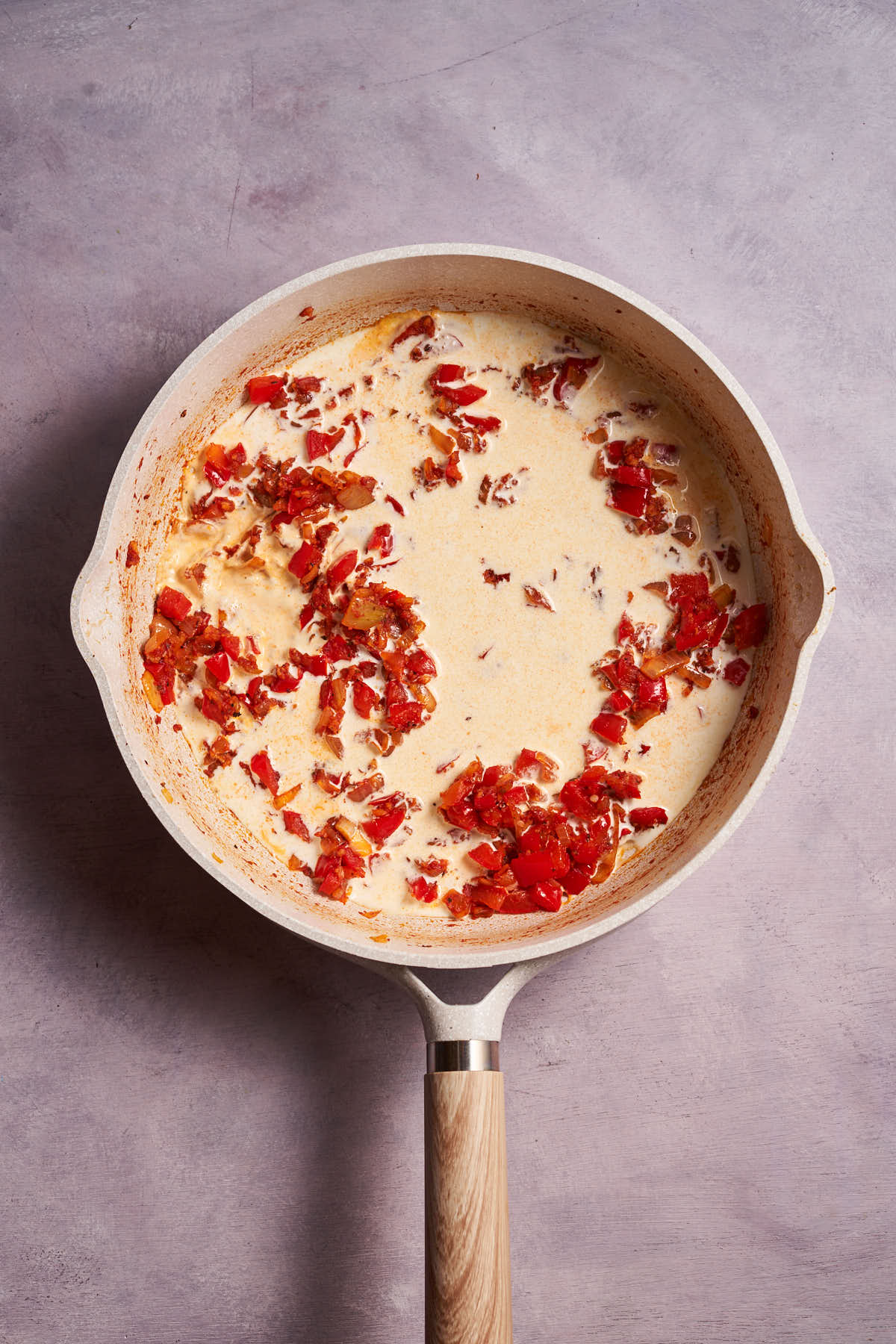
Pour in the evaporated milk and stir until the tomato paste blends into it. The sauce will start taking on a warm reddish color.
Keep the heat gentle when you add the Parmesan. You want the cheese to blend into the sauce without the milk boiling hard.
Don't worry if the sauce looks a little different from what you expected at first. Once you add the pasta and toss everything together, you'll have a better idea of whether it needs a little reserved pasta water.
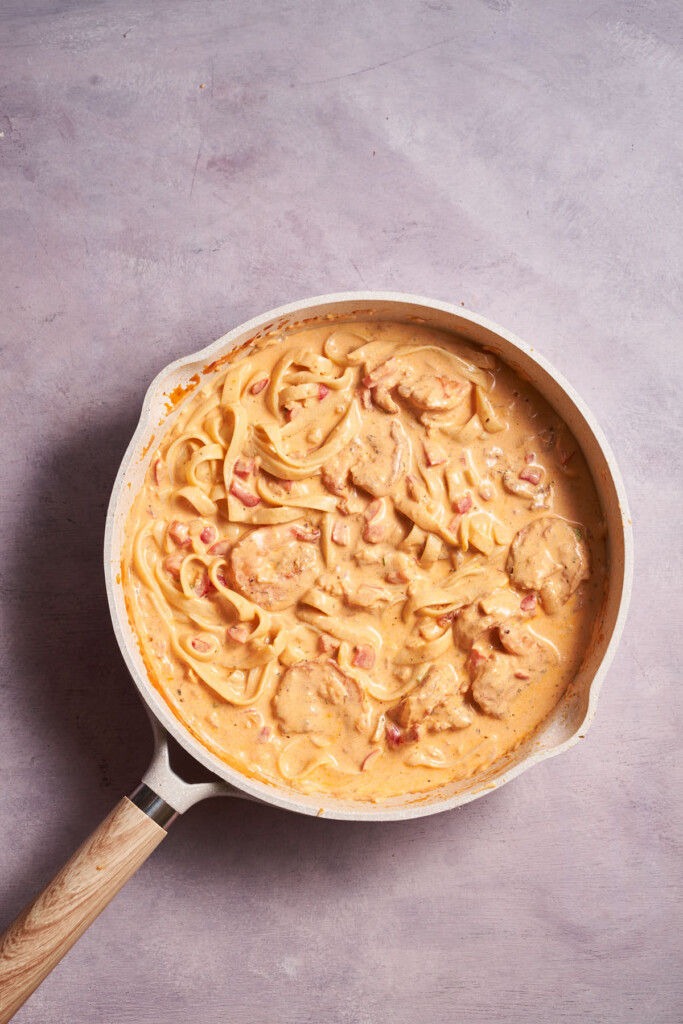
5. Bring everything together
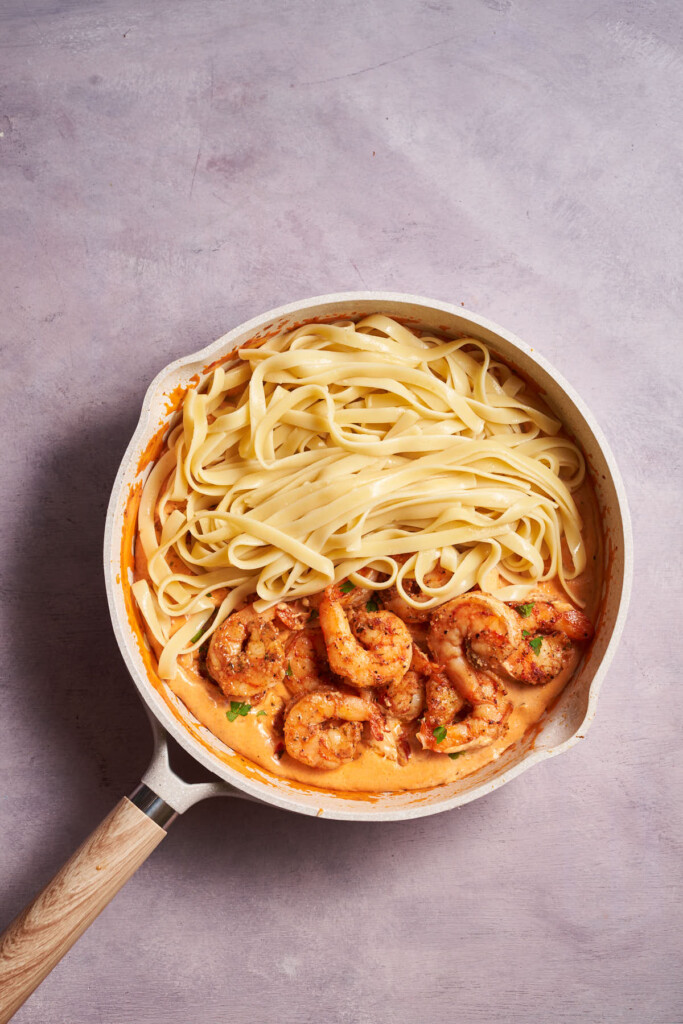
Add the pasta and toss until the noodles are coated with sauce. If it feels too thick or sticky, add a small splash of pasta water and toss again.
Then return the shrimp to the skillet, just long enough to warm them through.
Before serving, taste a bite. This is your chance to decide whether you'd like a little more Cajun seasoning, salt, or pepper. Then get those bowls ready while everything is warm and creamy.
Helpful Tips
- Don't have a large skillet? That's okay. You can cook the shrimp in batches if your pan is smaller. Just give them enough room so they're not crowded together.
- Make dinner a little easier on yourself. You can chop the peppers and onions and grate the Parmesan earlier in the day. Keep everything in the refrigerator until you're ready to cook, and you'll have less to do when it's time to make dinner.
- Using a different pasta shape? Go right ahead. Penne, linguine, or even whatever pasta you already have in the pantry can work. Just follow the cooking directions on the package since some shapes take longer than others.
- Planning to have leftovers? You might want to save a little extra pasta water, or use a splash of water when reheating. The pasta will absorb some of the sauce as it sits, so a little moisture helps bring it back to a creamy consistency.
Make It a Meal
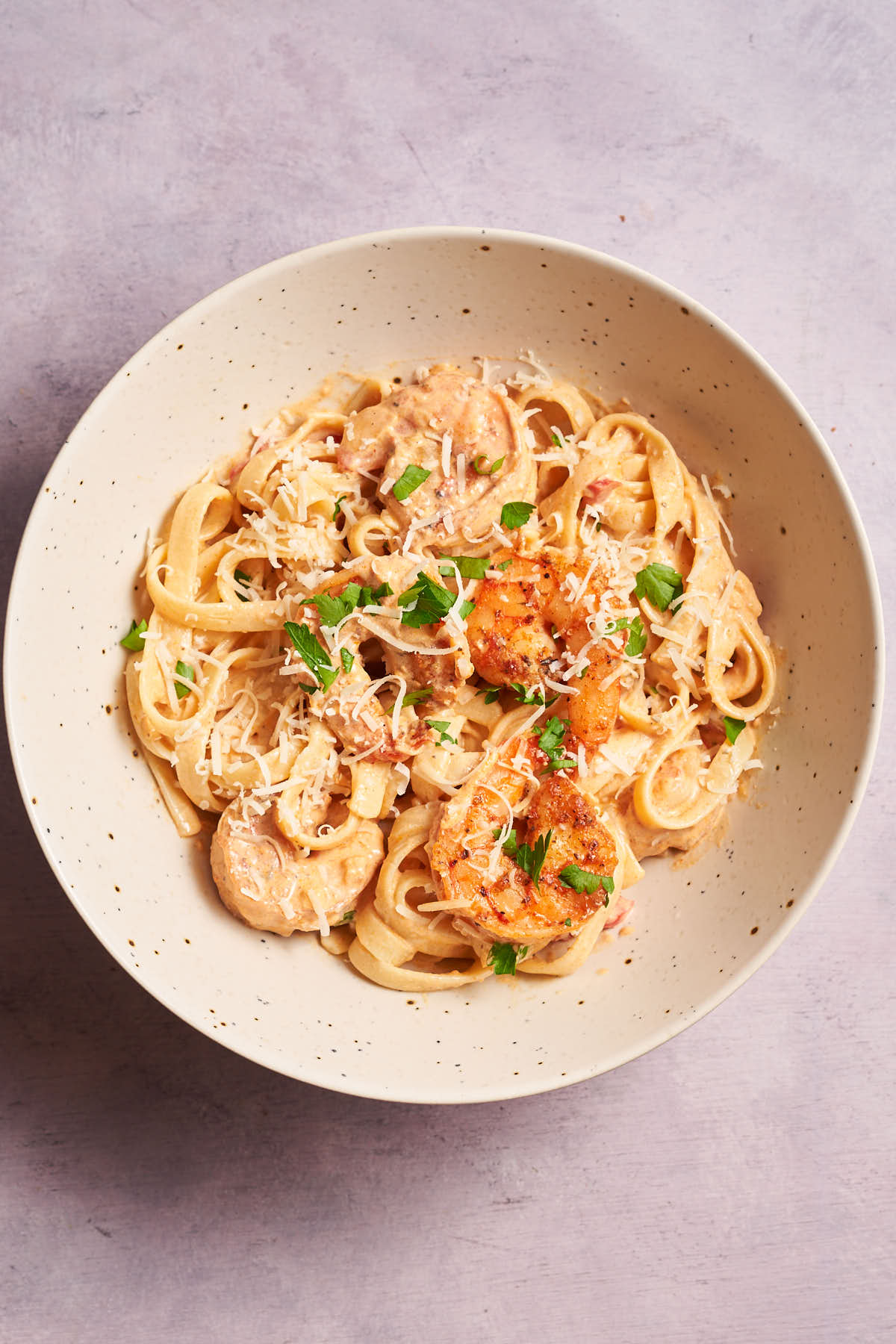
Honestly, a bowl of this Cajun shrimp pasta is plenty for dinner, especially when you don't feel like making anything else. Just serve it while it's warm and enjoy!
But if you want something on the side, a piece of crusty bread or garlic bread would be lovely for scooping up some of that creamy sauce. You could also add a simple green salad with your favorite dressing if you're in the mood for something fresh.
And if you'd rather have another vegetable, my air fryer broccoli Parmesan would go nicely with it. But there's no need to make an extra dish unless you want to. Sometimes a good bowl of pasta is all you need.
Storage and Reheating
How to store: Have some Cajun shrimp pasta left over? Lucky you! Let it cool briefly, then transfer it to an airtight container and refrigerate within two hours of cooking. It'll keep in the refrigerator for 3 to 4 days.
Reheating on the stovetop: Add the pasta to a skillet with a splash of water to help loosen the sauce. Cover and warm over medium-low heat, stirring occasionally until everything is heated through. Add another little splash of water if needed. Before serving, give it a taste and adjust the salt or Cajun seasoning if it needs a little extra flavor.
Reheating in the microwave: Put the pasta in a microwave-safe bowl with a splash of water. Cover loosely and heat in short intervals, stirring between each one so it warms evenly. Once it's heated through, taste and add a little salt or Cajun seasoning if needed.
For food safety, the FDA recommends reheating leftovers to 165°F. You can find more information in the FDA's Safe Food Handling Guide.
FAQS
Absolutely! Frozen shrimp work just fine. Just make sure they're fully thawed before cooking. The 16 to 20 count simply means there are approximately 16 to 20 shrimp in one pound. That's the size I used for this recipe, but if yours are a little smaller or larger, you can still make it. Just keep an eye on them because smaller shrimp cook faster.
Yes, you can! This is a nice option when you already have cooked shrimp in the refrigerator or freezer. Since the shrimp are already cooked, you can skip the step where you cook the raw shrimp in the skillet. Make the Cajun sauce as directed, then add your thawed, precooked shrimp toward the end with the pasta. Let everything warm through without cooking the shrimp any longer than necessary. The sauce has plenty of Cajun flavor, so you don't need to season and cook the shrimp separately.
Yes, you can make it with regular milk if that's what you have. I use evaporated milk because it gives the sauce a little more richness and body, but regular milk can work too. Start with the same amount, using whole milk if you have it, and keep the heat gentle as the sauce comes together. The tomato paste and Parmesan will still help give the sauce some body. If it seems thinner than you'd like, let it warm gently for a little longer before adding the pasta. You can also try a little more tomato paste, but remember that it will make the tomato flavor stronger. The finished sauce may be a little lighter and less rich than the evaporated milk version, so give it a taste and adjust the seasoning if needed.
The spice level really depends on the Cajun seasoning you use. Some blends have quite a kick, while others are much milder. You can use either salted or salt-free Cajun seasoning. If yours contains salt, start with the amount of Cajun seasoning in the recipe and hold off on adding extra salt until you've tasted the finished sauce. And if you're cooking for someone who doesn't enjoy much spice, choose a mild blend. Anyone who wants more heat can add a little extra Cajun seasoning to their own plate.
Yes, you can, especially if making dinner ahead works better for your schedule. Just keep in mind that pasta continues absorbing sauce as it sits in the refrigerator. When you reheat it, the noodles will likely be softer, and the sauce may need a little extra water to become creamy again. For the best texture, I prefer making the pasta fresh. But that doesn't mean you can't prepare it ahead if that's more convenient for you. You can also save yourself time by chopping the vegetables, grating the cheese, and getting the other ingredients ready earlier in the day.
More Cajun Shrimp Recipes
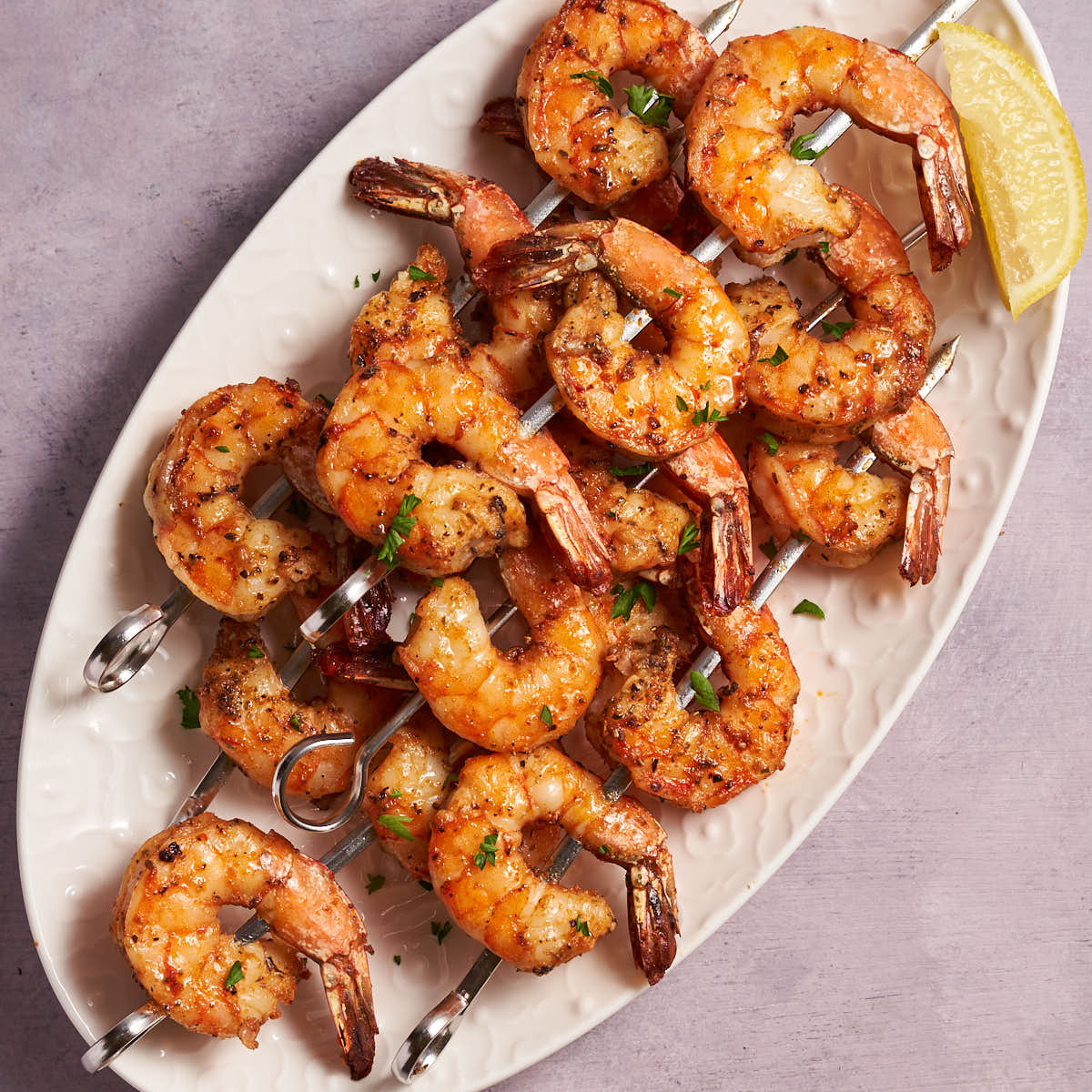
If you're enjoying Cajun flavors, I've got a few more shrimp recipes you might like. My air fryer Cajun shrimp is great with rice or vegetables, and these Cajun shrimp lettuce wraps are a nice option when you're in the mood for something fresh. You can also try my Cajun shrimp sheet pan dinner for another easy dinner.
More Shrimp Dinner Recipes
Want another idea for shrimp night? My lemon garlic shrimp pasta is a lovely change when you want something lighter and lemony. Or take a look at my easy shrimp dinner recipes for more ideas, including bowls, wraps, and other ways to enjoy shrimp.
Please, do not forget to subscribe and follow us on Instagram and Pinterest for easy dinner recipes and practical cooking ideas. Thank you for reading Enjoy Clean Eating!

Cajun Shrimp Pasta
Creamy Cajun shrimp pasta with tender shrimp, a little spice, and a rich tomato-Parmesan sauce that coats every bite. It's a delicious change from your usual pasta dinner, and it's ready in about 30 minutes.
Ingredients
- 12 oz dry penne or linguine (Banza or Barilla high-protein pasta, if preferred)
- 1 lb raw shrimp, peeled, deveined, and fully thawed (16 to 20 count per pound)
- 3 teaspoons olive oil, divided
- 1 medium red bell pepper, diced
- 1 small yellow onion, diced
- 5 garlic cloves, minced
- 3 teaspoons salt-free Cajun seasoning, divided, plus more to taste (1 teaspoon for shrimp; 2 teaspoons for sauce)
- 3 tablespoons tomato paste
- 1 can Carnation 2% evaporated milk (12 fl oz)
- ½ cup finely grated Parmesan cheese
- Salt and pepper to taste
Instructions
- Start cooking the pasta according to the package directions until al dente while you prepare the shrimp and sauce. Reserve 1 cup of pasta water, then drain.
- Pat the shrimp dry and season with 1 teaspoon Cajun seasoning, salt, and pepper to taste. If your Cajun blend already contains salt, go easy on the additional salt.
- Heat 2 teaspoons olive oil in a large skillet over medium-high heat. Cook the shrimp for about 2 minutes per side, until opaque and cooked through to 145°F. Transfer to a clean plate.
- Reduce the heat to medium. Add the remaining teaspoon of oil, bell pepper, and onion. Cook for 5 to 7 minutes until softened. Stir in the garlic, tomato paste, and remaining 2 teaspoons Cajun seasoning. Cook for 1 minute.
- Reduce the heat to medium-low. Stir in the evaporated milk and heat gently for 2 to 3 minutes, without a hard boil. Reduce the heat to low and stir in the Parmesan until melted. Toss in the pasta, adding reserved pasta water a little at a time until creamy.
- Return the shrimp to the skillet and toss just until heated through. Turn off the heat, taste, and adjust the salt, pepper, and Cajun seasoning. Enjoy!
Notes
- Cajun seasoning: Use salted or salt-free seasoning. If using a salted blend, taste before adding extra salt. Choose a mild blend for less heat.
- Pasta: Penne, linguine, regular pasta, Banza, or Barilla Protein+ all work. Cook according to package directions.
- Pasta water: Reserve 1 cup before draining. I usually use about ⅓ cup for a creamy sauce. Add a little at a time, as needed.
- Milk options: I prefer Carnation 2% evaporated milk, but sometimes use 1½ cups light cream for a richer sauce. Regular milk works, but makes a thinner sauce. Keep the heat gentle and adjust seasoning as needed.
- Precooked shrimp: Skip cooking the shrimp separately. Add thawed, precooked shrimp at the end and warm through gently to avoid overcooking.
- Leftovers: Refrigerate within 2 hours and store for 3–4 days. Reheat to 165°F, adding a splash of water to loosen the sauce. Adjust seasoning if needed.
- Timing: The 30-minute total assumes the pasta cooks while you prepare the shrimp and sauce. Shrimp thawing time isn't included.
Nutrition Information:
Yield: 4 Serving Size: 1/3Amount Per Serving: Calories: 595Total Fat: 13gSaturated Fat: 4gCholesterol: 220mgSodium: 450mgCarbohydrates: 74gFiber: 8gSugar: 12gProtein: 50g