When your shrimp turns out rubbery, it's frustrating, especially when you were expecting a juicy and delicious dinner.

It happens more often than you think, and most of the time it comes down to one simple thing: overcooking. The good news is that once you understand why it happens, it's actually very easy to avoid next time.
What causes shrimp to turn rubbery
There are two main reasons shrimp turns rubbery: it's either cooked for too long or at too high of a temperature.
Shrimp cooks very quickly, so even a minute or two too long can make it tough. High heat can also speed up the process too much, causing the shrimp to overcook before you realize it.
How to avoid rubbery shrimp every time
Once shrimp turns rubbery, there's no way to fix it, but the good news is you can easily avoid it next time.
Follow these simple tips:
- Check for doneness 1-2 minutes early to avoid overcooking
- Don't cook at a temperature that's too high
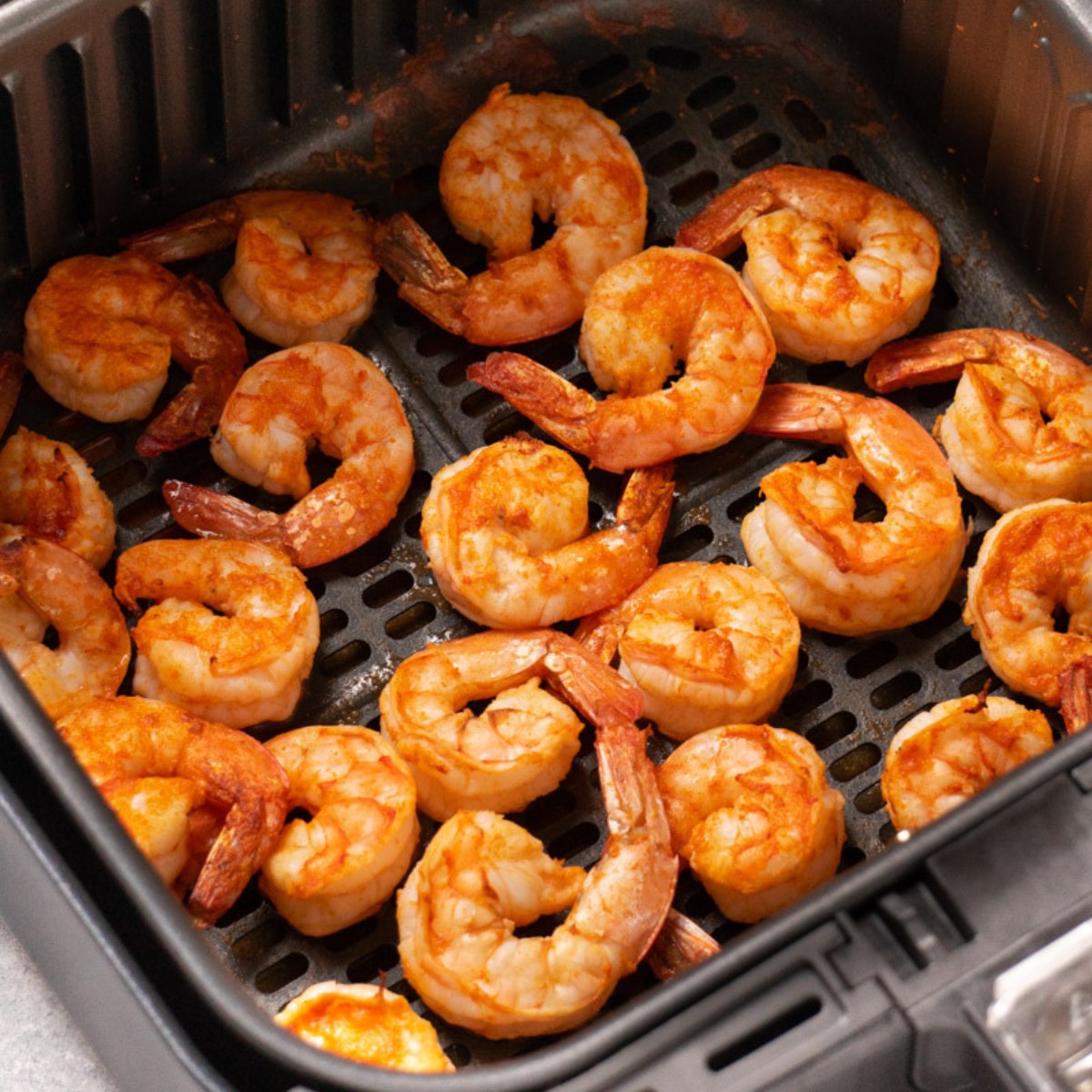
- Keep shrimp in a single layer (whether in a pan, air fryer, or oven) so it cooks evenly
If you want to prevent this from happening again, here's a full guide on how to stop overcooking shrimp and get juicy results every time:
Once you get the hang of this, you can use it in different shrimp recipes and still get juicy results every time.
Here are a few easy ones to try:
- Air Fryer Buffalo Shrimp
- Air Fryer Bacon Wrapped Shrimp
- Jumbo Shrimp Air Fryer
- Air Fryer Old Bay Shrimp
- Air Fryer Cajun Shrimp
If you're not sure about timing, here's exactly how long to cook shrimp in the air fryer.
FAQs
Because it's overcooked, even a minute too long can change the texture.
Unfortunately, there's no way to fix overcooked shrimp, so the key is to catch it early.
Please, do not forget to subscribe and follow us on Instagram and Pinterest for easy dinner recipes and practical cooking ideas. Thank you for reading Enjoy Clean Eating!